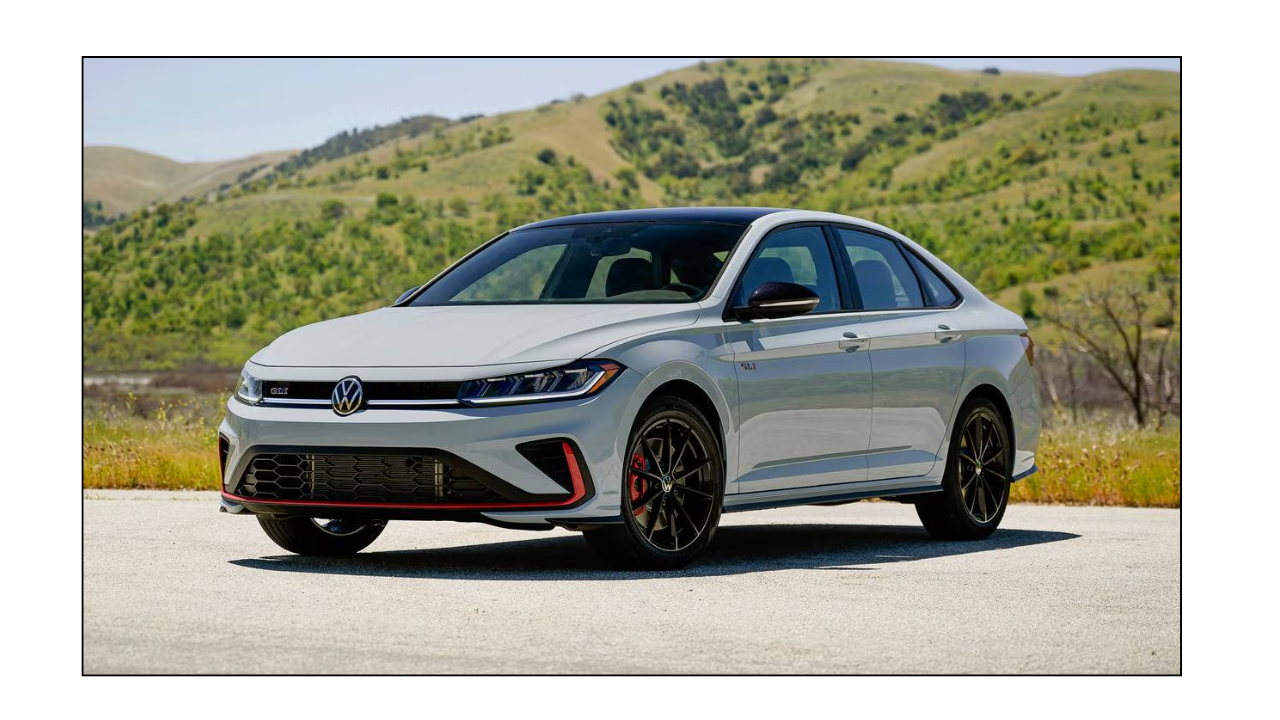
Quick answer: The Volkswagen Virtus facelift is a mid-life update to VW’s popular midsize sedan, expected to launch in India in the second half of 2026. It is expected to bring a revised front and rear design, a bigger touchscreen with an AI assistant, a larger digital instrument cluster, an 8-speed torque-converter automatic on the 1.0-litre TSI engine, and available Level-2 ADAS. Prices are expected to start around ₹11–12 lakh (ex-showroom), a modest premium over the current Virtus.
Why the Skoda Slavia Facelift Matters for the Virtus
The Volkswagen Virtus and Skoda Slavia are sibling sedans. Both ride on the same MQB-A0-IN platform and roll off the same production line at Skoda Auto Volkswagen India’s Chakan plant in Pune. Historically, whatever mechanical and feature updates land on one model eventually arrive on the other with minor cosmetic differences.
Skoda has already pulled the covers off the 2026 Slavia facelift in India, revealing a new 8-speed automatic gearbox for the 1.0 TSI engine, a 360-degree camera, rear-seat massage function, a larger touchscreen with an AI assistant, and a bigger digital instrument cluster. Because of this shared-platform relationship, the Slavia reveal is currently the strongest indicator of what the Virtus facelift will offer once Volkswagen makes it official.
What’s Expected to Change: Exterior Design
Spy shots of camouflaged test mules, combined with the confirmed Slavia update, point to the following exterior changes on the Virtus facelift:
- A revised front bumper with a reworked, slimmer grille
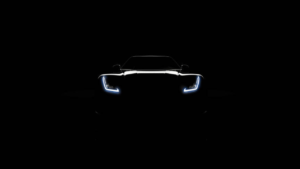
- New LED headlamp and daytime running light (DRL) signatures, likely with a segmented or sequential look
- An illuminated Volkswagen logo on the grille, similar to the recently launched Taigun facelift
- Redesigned LED tail lamps with a connecting light bar and sequential turn indicators
- New alloy wheel designs
- A red brake caliper as a cosmetic highlight on the top-spec GT variants
- Distinct, more aggressive styling cues (blacked-out elements, sportier alloys) for the GT Line trims
The overall silhouette and proportions are expected to stay the same, since this is a mid-life facelift rather than a generation change.
Also Read,
- Tata Aeris Tata Tigor Successor Sedan 2026
- Tata Aeris On-Road Price 2026 All Cities
- Facelifted Cars Launching in India Soon 2026
- Tata Aeris CNG Mileage 27km/kg
- Mahindra Vision S vs Thar Roxx 2026
Interior and Cabin Upgrades
Inside, the current Virtus is already considered feature-rich for its segment, and the facelift is expected to build on that with:
- A larger touchscreen infotainment system (around 10.1 inches) with a revised user interface and a built-in AI voice assistant
- A bigger fully digital instrument cluster (around 10.25 inches)
- Upgraded, more premium upholstery materials
- A 360-degree camera system, matching the newly revealed Slavia
- A rear-seat massage function on top variants, a segment-first feature borrowed from the Slavia and Kushaq
- Sequential turn indicators and other minor UI refinements
One detail worth noting: earlier test mules of the Virtus facelift were seen without a panoramic sunroof, suggesting the car may retain its existing single-pane sunroof rather than adopting a panoramic unit, even though some early reports had speculated otherwise.
Engine, Transmission and Performance
The facelifted Virtus is expected to carry over its familiar turbo-petrol engine lineup:
| Engine | Power | Torque | Transmission Options |
|---|---|---|---|
| 1.0-litre TSI turbo-petrol | ~114–115 PS | ~178 Nm | 6-speed manual / new 8-speed torque-converter automatic |
| 1.5-litre TSI EVO turbo-petrol | ~150 PS | ~250 Nm | 7-speed DSG automatic |
The single biggest mechanical change is the replacement of the current 6-speed torque-converter automatic (paired with the 1.0 TSI engine) with a new 8-speed unit. This gearbox has already been rolled out on the Volkswagen Taigun and Skoda Kushaq, and is now confirmed on the Skoda Slavia facelift, making it highly likely to carry over to the Virtus. The 1.5 TSI engine is expected to continue with its existing 7-speed dual-clutch automatic (DSG).
Safety Features
The current Virtus already carries a 5-star Global NCAP safety rating for adult and child occupant protection and comes with a strong standard safety kit, including:
- 6 airbags
- Electronic Stability Control (ESC)
- All-wheel disc brakes
- Electronic Differential Lock (EDL)
- Hill Hold Assist (HHA)
- Rear parking sensors and a rearview camera
- Tyre pressure/deflation warning system
The facelift is expected to add to this list with front parking sensors and, on higher trims, Level-2 ADAS (advanced driver-assistance systems) such as adaptive cruise control and lane-keep assistance — features that current rivals like the Hyundai Verna already offer and that the Virtus has so far lacked.
Expected Price and Launch Timeline
Volkswagen has not announced an official launch date or price for the Virtus facelift as of this writing. Based on industry reports and the Slavia facelift’s timeline:
- Expected launch window: Second half of 2026, likely trailing the Slavia facelift (which is set to launch in October 2026) by a few weeks to a couple of months
- Expected starting price: Around ₹11–12 lakh (ex-showroom), roughly in line with or slightly above the current Virtus, which starts at approximately ₹10.5 lakh
- Expected price increase on top trims: In the range of ₹70,000 to ₹1.5 lakh over current pricing for variants that add ADAS, the new automatic gearbox, and the panoramic-style feature set
These figures are estimates only and should be treated as directional until Volkswagen India confirms official pricing.
Volkswagen Virtus Facelift vs Key Rivals
| Model | Facelift Status (as of Aug 2026) | Key Talking Point |
|---|---|---|
| Volkswagen Virtus | Expected H2 2026 | New 8-speed AT, ADAS, revised styling |
| Skoda Slavia | Unveiled; launching October 2026 | 8-speed AT, rear massage seats, 360° camera |
| Hyundai Verna | Already facelifted | 360° camera, Level-2 ADAS |
| Honda City | Already facelifted (2026) | Hybrid option, strong reliability image |
Frequently Asked Questions
When will the Volkswagen Virtus facelift launch? Volkswagen has not confirmed an official date. Based on current reports and the Skoda Slavia facelift’s October 2026 launch, the Virtus facelift is widely expected to arrive in the second half of 2026.
What is the expected price of the Volkswagen Virtus facelift? Estimates suggest a starting price of around ₹11–12 lakh (ex-showroom), with top variants likely costing ₹70,000 to ₹1.5 lakh more than the equivalent current Virtus trims.
Will the Virtus facelift get a new engine? No new engine is expected. It should retain the existing 1.0-litre TSI and 1.5-litre TSI EVO turbo-petrol engines, but the 1.0 TSI automatic is expected to switch from a 6-speed to a new 8-speed torque-converter gearbox.
Does the Volkswagen Virtus facelift get a panoramic sunroof? This is uncertain. While some early reports speculated on a panoramic sunroof, test mules spotted without one suggest the car may retain its current single-pane sunroof.
Will the Virtus facelift have ADAS? Level-2 ADAS (such as adaptive cruise control and lane-keep assist) is expected on higher trims, helping the Virtus close the tech gap with rivals like the Hyundai Verna.
Is the Volkswagen Virtus facelift based on the Skoda Slavia facelift? Yes. Both cars share the MQB-A0-IN platform and are built at the same Chakan, Pune plant, so most mechanical and feature updates seen on the Slavia facelift are expected to carry over to the Virtus with minor styling differences.