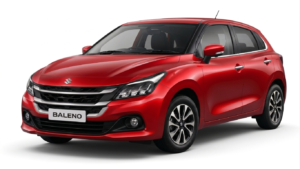
Tata Motors’ upcoming cars for 2027 include the Safari EV, next-generation Nexon (Project Garud) and its EV version, the Avinya and Avinya X luxury electric crossovers, and facelifted versions of the Tiago, Tigor, Tiago EV and Tigor EV. As part of its FY2027 (April 2026–March 2027) product plan, Tata Motors has confirmed six launches in total — two all-new models and four facelifts — with the Sierra EV leading the charge and the first Avinya model expected to arrive by the second half of FY2027.
Tata’s FY2027 Product Plan: The Big Picture
Tata Motors has outlined its roadmap for the financial year ending March 2027 in clear terms. Tata Motors has confirmed six product launches for FY2027, made up of two completely new models and four facelifts of existing cars. Company MD and CEO Shailesh Chandra has also indicated that Tata is working on its first flex-fuel vehicle, expected to debut by the end of 2026 or in early 2027. Beyond FY2027, Tata’s broader plan extends to six new ICE models and four EVs by FY2031, including the Sierra EV, Avinya, Safari EV, a facelifted Tigor and an all-new seven-seater electric MPV.
1. Tata Sierra EV
Leading Tata’s model offensive is the electric version of its recently revived Sierra nameplate. The Sierra EV is set to go on sale in India in the July-to-September quarter of FY2027, roughly eight to nine months after the ICE-powered Sierra’s launch. It is expected to be offered with two battery pack options, likely 55kWh and 65kWh, along with both rear-wheel-drive and all-wheel-drive configurations. Positioned between the Curvv EV and Harrier EV in Tata’s electric line-up, the Sierra EV will primarily rival the Mahindra BE 6, VinFast VF 7, Hyundai Creta Electric and its own coupe-SUV sibling, the Curvv EV.
2. Tata Safari EV
The electric Safari is expected to be Tata’s new flagship EV, targeted for a festive-season launch. Reports suggest the Safari EV could come with 75kWh and higher-capacity battery packs, and with an emphasis on improving drivetrain efficiency, it may deliver a claimed range beyond 650 km. As a full-size, three-row electric SUV, it is expected to sit at the top of Tata’s EV portfolio, above the Sierra EV and Curvv EV.
- Tata Aeris Tata Tigor Successor Sedan 2026

- Tata Aeris On-Road Price 2026 All Cities

- Facelifted Cars Launching in India Soon 2026
- Tata Aeris CNG Mileage 27km/kg

- Mahindra Vision S vs Thar Roxx 2026

- Tata Aria On-Road Price 2026

3. Next-Generation Tata Nexon (Project Garud)
Tata’s best-selling compact SUV is due for a generational overhaul. Internally codenamed Project Garud, the next-generation Nexon is expected to make its commercial debut around mid-2027 and could move from the ageing X1 platform to Tata’s newer, more flexible ATLAS platform. Expect a completely redesigned exterior with sleeker headlamps and tail lamps, revised proportions, and Tata’s effort to keep the car spacious inside while staying under the 4-metre mark for tax benefits. Alongside the petrol and diesel version, an electric Nexon EV is also expected to launch in 2027, likely built on Tata’s updated Acti.EV platform, carrying forward the existing 30kWh and 45kWh battery packs while potentially adding a larger option for better real-world range beyond the current 489 km. The next-gen Nexon EV’s cabin is expected to get a completely overhauled dashboard layout, a larger touchscreen, a digital instrument cluster and an updated ADAS suite.
4. Tata Avinya and Avinya X
Avinya is set to become Tata’s standalone premium electric vehicle brand, and its debut models are firmly on the 2027 radar. The Avinya is expected to be based on Tata’s Gen 3 born-electric architecture, a purpose-built electric skateboard platform derived from Jaguar Land Rover’s modular EMA architecture. Its first production version could be unveiled before the end of FY2027, possibly timed with the 2027 Bharat Mobility Expo. Leaked interior images point to a futuristic dashboard with a minimalist design, large screens and a new steering setup. A second model, the Avinya X, is expected to start selling in the first calendar quarter of 2027 as the first product under the standalone Avinya brand, positioned as an EV-only offering above Tata’s existing premium price points.
5. Tata Tiago and Tiago EV Facelift
Tata’s entry-level hatchback duo is due for a mid-cycle update, expected around late 2026 or early 2027. The Tiago facelift is expected to bring a revised front fascia, new bumpers, redesigned wheels, a large floating-type touchscreen infotainment system, automatic climate control and a two-spoke steering wheel with an illuminated Tata logo. A sunroof and a 360-degree camera could also be added for the first time. On the EV side, rumours suggest Tata could introduce larger battery packs for the Tiago EV, likely sourced from the updated Punch EV facelift, which could push the certified range beyond 300 km, up from the current 24kWh long-range pack’s 315 km certified figure.
6. Tata Tigor and Tigor EV Facelift
The Tigor compact sedan is also getting a design and feature refresh, with design patent filings already revealing key exterior changes. Patent images show slimmer headlights, a revised grille, an updated front bumper and a fresh alloy wheel design, along with a more connected-looking rear trim and revised bumper elements. The cabin is expected to borrow design and feature inspiration from the updated Tiago. On the EV variant, Tata is expected to fit a larger battery pack along with enhanced DC fast-charging capability.
Tata Cars Launching in 2027: Summary Table
| Model | Type | Expected Launch Window | Key Highlight |
|---|---|---|---|
| Sierra EV | New EV | Q2 FY2027 (Jul–Sep 2026) | 55kWh/65kWh packs, RWD and AWD |
| Safari EV | New EV | Festive season 2026 | Flagship EV, range beyond 650 km |
| Next-gen Nexon | New generation (ICE) | Mid-2027 | New ATLAS platform, fresh design |
| Nexon EV (new-gen) | New generation (EV) | 2027 | Updated Acti.EV platform, larger battery option |
| Avinya | All-new | H2 FY2027 / early 2027 | Tata’s premium EV sub-brand debut |
| Avinya X | All-new | Q1 CY2027 | EV-only, positioned above Avinya |
| Tiago / Tiago EV facelift | Facelift | Late 2026–early 2027 | Bigger touchscreen, sunroof, 360-camera |
| Tigor / Tigor EV facelift | Facelift | FY2027 | New front fascia, larger EV battery |
Why Tata’s 2027 Line-up Matters
Tata Motors is not concentrating its 2027 strategy on a single segment. The Safari EV strengthens its position in the three-row electric SUV space, the next-generation Nexon refreshes its most important mass-market compact SUV, and the Tigor and Tiago updates modernise its entry-level portfolio. The most significant long-term shift, however, comes from Avinya, which is designed to move Tata into a premium electric category above its existing EV range, built on a dedicated next-generation platform rather than an adapted ICE architecture.
Frequently Asked Questions (FAQ)
Q1: How many new cars is Tata Motors launching in 2027? A: Tata Motors has confirmed six product launches for FY2027 (April 2026 to March 2027): two all-new models and four facelifts. Looking specifically at 2027, key models expected include the Safari EV, the next-generation Nexon and Nexon EV, the Avinya, and the Avinya X.
Q2: What is the first model from Tata’s Avinya brand? A: The first production Avinya model is expected to be unveiled by the second half of FY2027, potentially around the 2027 Bharat Mobility Expo, followed by the Avinya X, which is expected to go on sale in the first calendar quarter of 2027.
Q3: When will the next-generation Tata Nexon launch? A: The next-generation Nexon, codenamed Project Garud, is expected to make its commercial debut by mid-2027, built on Tata’s newer ATLAS platform in place of the older X1 platform.
Q4: Will the Tata Safari EV get a long driving range? A: Yes. With larger battery packs of 75kWh and above, and improved drivetrain efficiency, the Safari EV is expected to offer a claimed range of more than 650 km.
Q5: Are the Tiago and Tigor facelifts arriving in 2026 or 2027? A: Reports place both facelifts in the late-2026-to-early-2027 window, with design patents for the Tigor facelift already public and Tiago facelift spy shots and expected feature updates widely reported.
Q6: What platform will the Tata Avinya use? A: The Avinya is expected to use Tata’s Gen 3 born-electric architecture, a dedicated electric skateboard platform derived from Jaguar Land Rover’s modular EMA architecture.