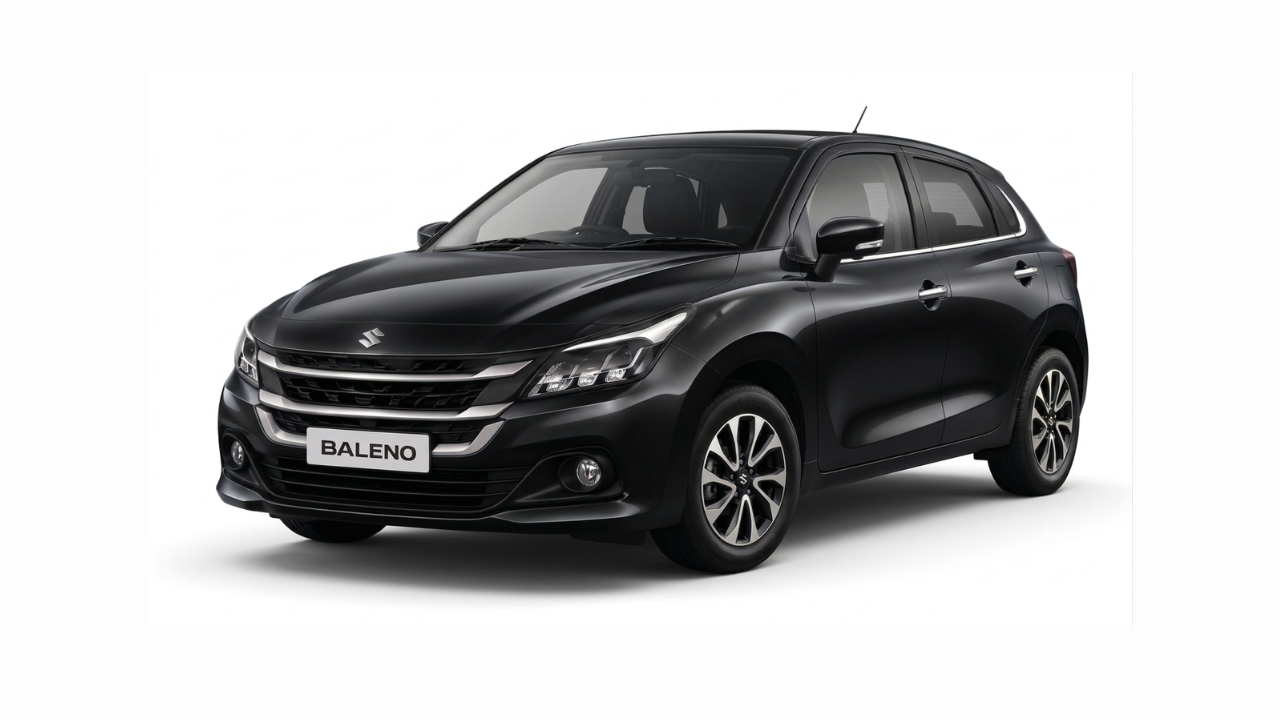
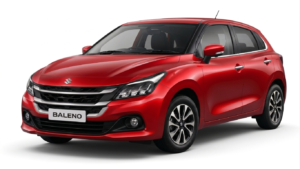
The 2026 Maruti Suzuki Baleno facelift has officially launched, priced from around Rs 6.10 lakh (ex-showroom, introductory). The top 5 new features are: 1) Level 2 ADAS, a segment-first for the Baleno, 2) a new Z-Series 1.2-litre three-cylinder petrol engine, 3) Maruti Suzuki’s first-ever CNG-AMT powertrain, 4) ventilated front seats, and 5) a 360-degree camera with a redesigned front fascia and updated infotainment system. It is offered across Sigma, Delta, Zeta, and Alpha trims.
1. Level 2 ADAS
The most significant safety upgrade on the facelifted Baleno is the addition of a Level 2 Advanced Driver Assistance System, a first for this model. This brings features such as forward collision warning and autonomous emergency braking to the premium hatchback segment, bringing it in line with rivals that have already introduced similar driver-assist technology. Alongside ADAS, the car continues to offer six airbags, electronic stability control, hill hold assist, rear parking sensors, and ABS with EBD.
2. New Z-Series 1.2-Litre Three-Cylinder Petrol Engine
Under the hood, Maruti Suzuki has swapped the older four-cylinder K12N unit for a new 1.2-litre, three-cylinder Z-Series naturally aspirated petrol engine. This motor, which is also used in the Swift and Dzire, produces around 89hp and 113Nm of torque in the Baleno, with Maruti claiming it has been tuned for better low-end drivability. It is offered with either a five-speed manual gearbox or a five-speed AMT, replacing the outgoing model’s CVT automatic option. The change prioritises fuel efficiency, with the manual variant returning a claimed mileage of over 22 km/l.
- Tata Aeris Tata Tigor Successor Sedan 2026
- Tata Aeris On-Road Price 2026 All Cities
- Facelifted Cars Launching in India Soon 2026
- Tata Aeris CNG Mileage 27km/kg
- Mahindra Vision S vs Thar Roxx 2026
3. First-Ever CNG-AMT Powertrain
For the first time in Maruti Suzuki’s lineup, customers can now pair a factory-fitted CNG powertrain with an automatic transmission. Previously, CNG variants across the brand’s range were offered exclusively with manual gearboxes, forcing buyers to choose between fuel savings and driving convenience. The new Baleno resolves that trade-off by extending the AMT option to its bi-fuel CNG-petrol version, making it easier to run on cheaper fuel without giving up the ease of an automatic in daily traffic.
4. Ventilated Front Seats
Cabin comfort gets a meaningful boost with the addition of ventilated front seats, a feature that was missing on the outgoing Baleno and is still uncommon in this price bracket. This addition should be particularly welcome for buyers in hotter regions, and it places the Baleno closer to segment-above hatchbacks and compact sedans in terms of everyday comfort features. It is paired with other cabin updates such as rear AC vents, an auto-dimming inside rearview mirror, and a heads-up display.
5. 360-Degree Camera With Redesigned Front Fascia and Updated Infotainment
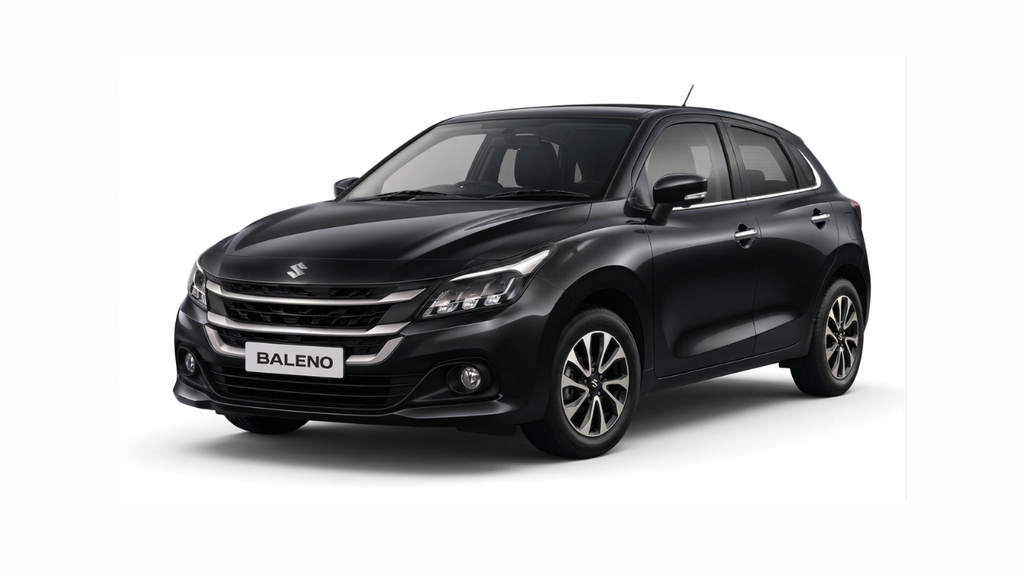
Rounding out the top updates is a new 360-degree camera system, replacing the more basic reversing camera setup on the older model and making tight parking manoeuvres noticeably easier. This arrives alongside a freshened front-end design with retweaked headlights, new LED DRLs, a repositioned Suzuki badge, and a redesigned grille and bumper. Infotainment also sees an update, with a 9-inch SmartPlay Pro+ HD touchscreen now paired with an Arkamys-tuned surround sound system, along with new 16-inch alloy wheel designs and an additional exterior colour, Enigmatic Teal.
Baleno 2026 Facelift: Variants and Pricing at a Glance
| Variant | Fuel Options | Approximate Ex-Showroom Price |
|---|---|---|
| Sigma | Petrol (Manual), CNG | From Rs 6.10 lakh |
| Delta | Petrol (Manual/AMT), CNG-AMT | Mid-range |
| Zeta | Petrol (Manual/AMT), CNG-AMT | Mid-to-upper range |
| Alpha | Petrol (Manual/AMT) | Up to approximately Rs 9.92 lakh |
Exact variant-wise pricing can vary slightly by city and dealership; buyers should confirm final on-road prices with their nearest NEXA showroom.
Frequently Asked Questions
Q1: What is the price of the 2026 Maruti Suzuki Baleno facelift? A: The facelifted Baleno starts at an introductory ex-showroom price of around Rs 6.10 lakh, going up to roughly Rs 9.92 lakh for the top Alpha variant.
Q2: Does the new Baleno get ADAS? A: Yes, the 2026 Baleno facelift introduces Level 2 ADAS for the first time on this model, adding features like forward collision warning and automatic emergency braking.
Q3: Is a CNG automatic option available on the Baleno facelift? A: Yes. The facelifted Baleno is Maruti Suzuki’s first car to offer a factory-fitted CNG powertrain paired with an AMT gearbox.
Q4: What engine does the 2026 Baleno use? A: It uses a new 1.2-litre, three-cylinder Z-Series naturally aspirated petrol engine producing around 89hp and 113Nm, replacing the earlier four-cylinder unit.
Q5: Does the Baleno facelift get ventilated seats? A: Yes, ventilated front seats are a new addition on the 2026 facelift, improving comfort for daily use.
Q6: What are the rivals of the 2026 Maruti Baleno facelift? A: The Baleno primarily competes with the Hyundai i20, Tata Altroz, and Honda Amaze in the premium hatchback and entry-sedan space.





2 thoughts on “Top 5 Features in the Maruti Suzuki Baleno Facelift 2026”